
Bank Loan vs. Flat-Fee Broker: What's the Real Cost Difference?
By Savvy Advisory · 24 February 2026 · 4 min read
The interest rate is only part of what a loan costs you. The fee structure sitting on top of it can quietly become one of the largest line items in the whole exercise.
When SME owners compare financing options, attention goes to the interest rate. That is reasonable — but the arrangement fee is paid upfront, out of the cash you just borrowed, and it is where the widest differences between providers appear.
How percentage-based fees behave
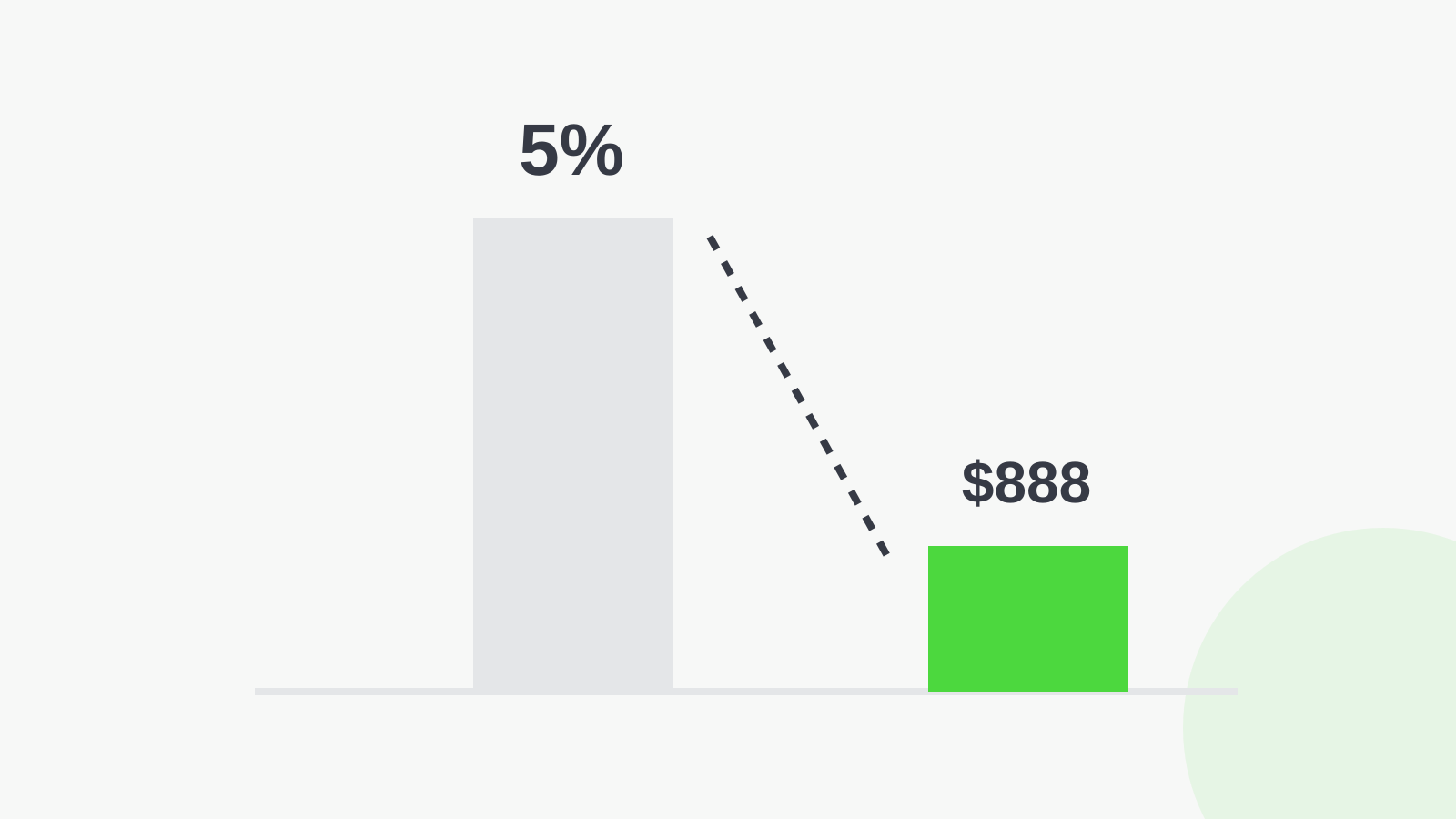
Traditional brokers in Singapore typically charge a percentage of the amount you borrow. On a $100,000 facility at a typical 5% broker fee, that is $5,000. Against Savvy's flat fee of $888, the difference is $4,112 — the average savings figure we quote on the homepage.
The important part is what happens as the facility grows. A percentage fee is not a fixed cost of doing the work; it scales with the number on the loan agreement, even though the underwriting effort is broadly similar. Double the facility and the percentage fee doubles. A flat fee does not move.
Why this matters most to growing businesses
The businesses that need the largest facilities are usually the ones with the most to do with the cash. Under a percentage model, the better your borrowing capacity, the more of the proceeds are consumed before you deploy a dollar of it. That is the opposite of what financing is meant to achieve.
Costs that are easy to miss
Beyond the headline fee, ask directly about the following before committing to any intermediary:
- Success fees layered on top of an initial engagement fee
- Fees that change once the case turns out to be more complex than expected
- Charges applied per lender approached, rather than per facility secured
- Whether anything is payable if the application is declined
- Early repayment or restructuring charges attached to the facility itself
None of these are unusual in the market. They are simply easier to accept when they are disclosed at the start rather than discovered at signing.
What you should actually be comparing
- The total cash you receive after all fees are deducted
- The total you repay over the full tenure, including interest
- What happens to the fee if the case becomes difficult or the application fails
- Whether the intermediary is submitting to lenders that genuinely fund your profile
That last point is not a cost line, but it is a real one. An application sent to the wrong lender costs you time and leaves a record on the director's credit bureau file, whatever the fee arrangement.
Going direct to a bank
Approaching a bank yourself avoids an intermediary fee entirely, and for a straightforward case with an existing banking relationship that can be the right call. The trade-off is that you are choosing the lender, assembling the file, and interpreting the response without a view of how other lenders would have assessed the same profile.
The value of an intermediary is knowing which desk to approach and how to present the case. The question is what that service should cost — and whether that cost should rise simply because your facility is larger.
The principle behind a flat fee
We provide the same service as traditional loan brokers in Singapore. The difference is the fee structure: one flat fee of $888, known before we start, with no fee changes upon commitment no matter how challenging the case turns out to be, and nothing charged if your application is rejected. The bigger your facility, the more of it stays in your business.
Not sure where to start? Get a free assessment from Savvy.
Check If You Qualify