
Term Loan vs. Invoice Financing vs. Property Financing: Which Fits Your Business?
By Savvy Advisory · 17 February 2026 · 6 min read
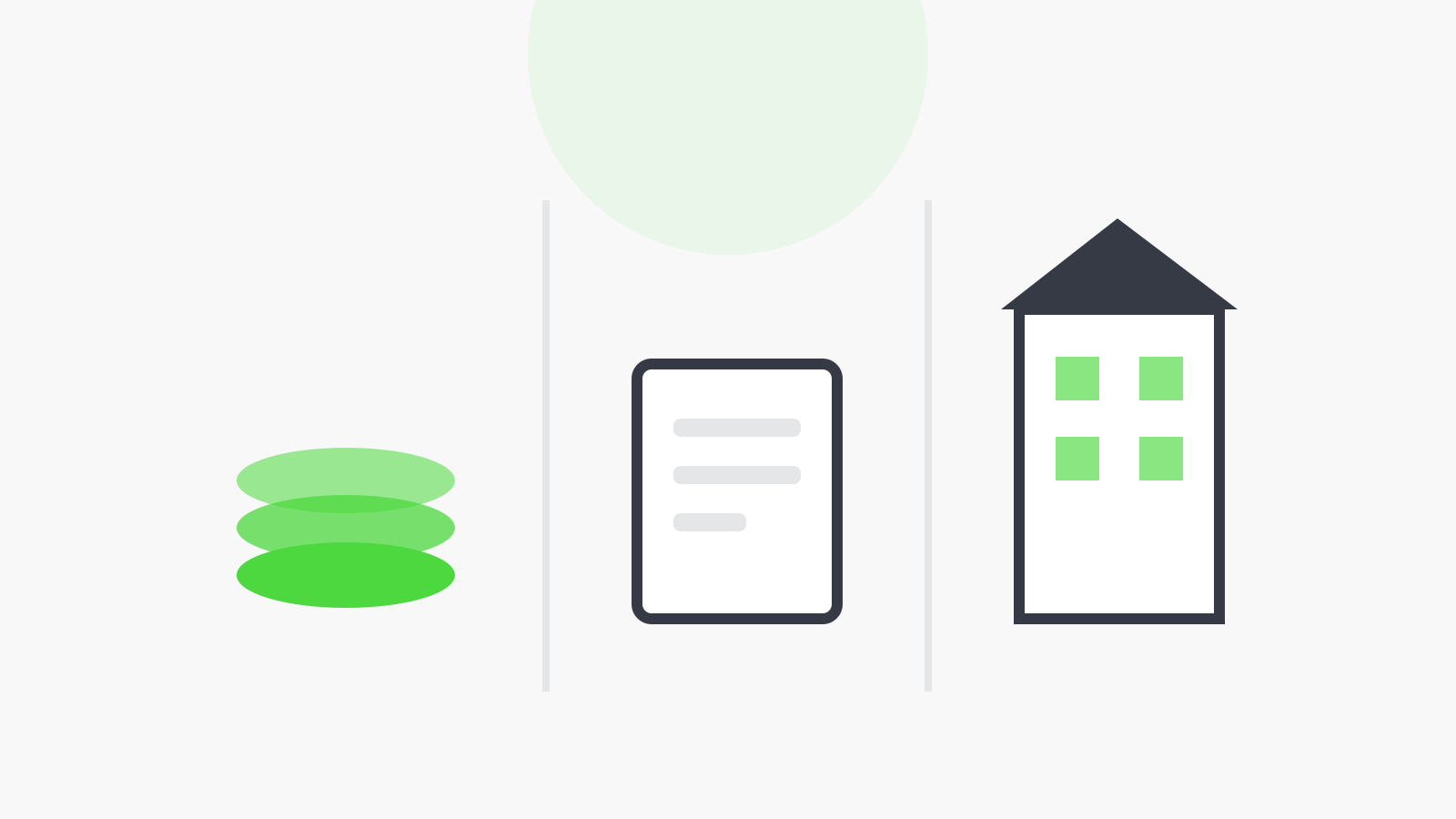
Choosing the wrong financing type is a common and expensive mistake. The right question is not 'which is cheapest' but 'which one matches the problem I actually have'.
Most SME funding needs in Singapore are covered by three products: a business term loan, invoice financing, or property financing. They are not interchangeable. Each is built around a different assumption about where your repayment will come from.
Business term loans
An unsecured lump sum for working capital, hiring, stock or expansion, repaid over a fixed term. You receive the money upfront and repay a predictable amount each month.
Best if
- You need cash now for growth and want predictable monthly repayments
- The spending is one-off or lumpy — a new outlet, equipment, a hiring push
- You do not own property to pledge, or do not want to pledge it
Watch out for
Because it is unsecured, the assessment leans heavily on your cash flow and the directors' personal guarantees. If your operating account cannot comfortably absorb the monthly repayment, this is the hardest of the three to get approved.
Invoice financing
Advance funding against invoices your customers have not paid yet. Instead of borrowing against the business as a whole, you unlock money already owed to you.
Best if
- You are waiting 60 to 90 days on client invoices while bills are already due
- Your customers are established companies that pay reliably, just slowly
- The gap is timing, not profitability — the work is done and billed
Watch out for
The quality of your debtors matters as much as the quality of your business. Concentration in one customer, or invoices to customers with a patchy payment record, will limit what you can raise. Invoice financing also solves a recurring gap rather than funding a one-off expansion — using it for long-term capital spending usually creates a new problem.
Property financing
Loans secured against commercial, industrial, or private residential property you own. Because the lender holds security, pricing is generally more favourable than unsecured borrowing.
Best if
- You own property and want to unlock its value at a lower interest rate
- You need a larger facility than unsecured lending would support
- You are refinancing more expensive borrowings into something cheaper
Watch out for
Security means real consequences if things go wrong, and the process involves valuation and legal steps that unsecured facilities do not. It is the right answer when the amount is significant and the use is long-term — not for a short cash flow gap.
A quick way to choose
- Is the problem that customers owe you money and have not paid yet? Start with invoice financing.
- Do you own property and need a larger or cheaper facility? Look at property financing.
- Do you need a defined sum for growth, with no property to pledge? A term loan is the usual fit.
You can see short summaries of all three, including the 'best if' lines, in the services section on our homepage.
Combining them is normal
Plenty of businesses run more than one facility: property financing for the long-term capital need, invoice financing to smooth the monthly collection gap. What matters is that each facility is matched to the cash flow that will repay it.
If you are not sure which category your situation falls into, describe the problem rather than the product. The right structure usually becomes obvious once the underlying cash flow issue is clear.
Not sure where to start? Get a free assessment from Savvy.
Check If You Qualify